Contract Clauses and EU Supply Chain Risk: Why Brazilian Suppliers Need Evidence Before Negotiation
European supply-chain contracts increasingly convert regulatory pressure into supplier obligations. Brazilian suppliers need evidence before negotiation, not after audit rights, remediation duties and termination clauses are already signed.
Board Liability and Supply Chain Evidence: Why Directors Need Regulatory Defensibility
Board exposure is no longer limited to internal controls. European due diligence pressure makes supply-chain evidence a governance issue for directors, CFOs and audit committees.
Supplier Due Diligence and Brazilian Operations: Why Procurement Becomes a Regulatory Control Point
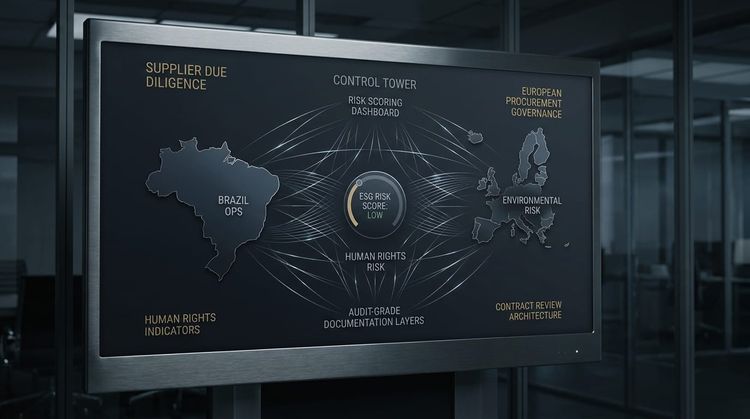
Supplier due diligence turns procurement into a regulatory control point. Brazilian operations exposed to European buyers need evidence that proves risk identification, mitigation and documentation discipline.
Scope 3 and Brazilian Suppliers: Why Indirect Emissions Become Procurement Risk
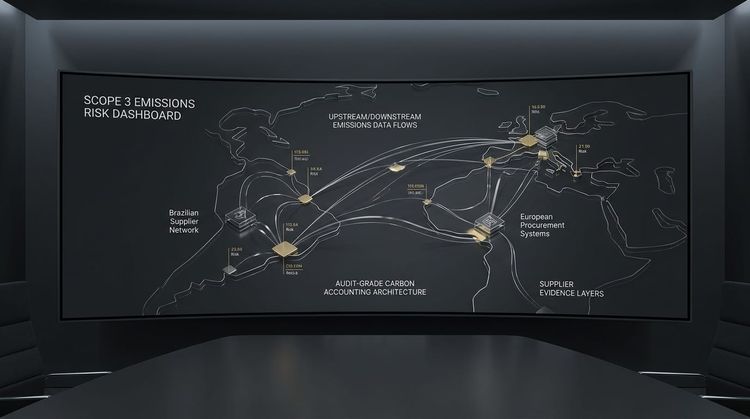
Scope 3 emissions turn supplier data into a procurement and finance-grade risk variable. Brazilian suppliers exposed to European buyers need emissions evidence that can support reporting, credit and contract decisions.
Sustainability-Linked Loans and Supplier Evidence: Why Regulatory Documentation Can Influence Cost of Capital
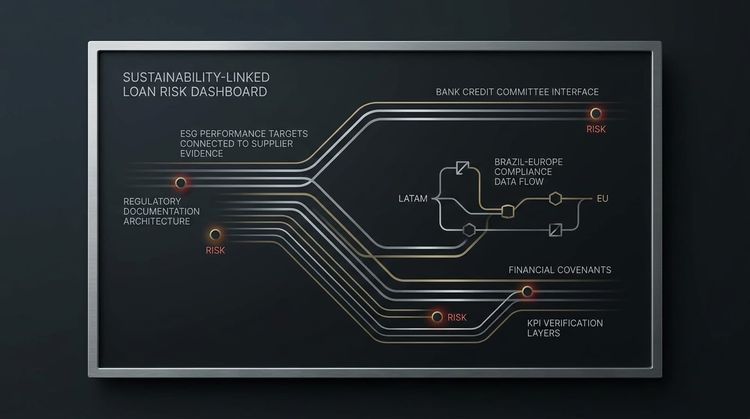
Sustainability-linked loans can connect financing terms to ESG performance targets. But weak supplier evidence, poor KPIs and unverifiable data can turn a financing opportunity into a credibility and execution risk.
Digital Product Passport and Brazilian Exporters: Why Traceability Becomes a Data Architecture Problem
The Digital Product Passport will not reward suppliers with generic sustainability claims. It will pressure exporters to structure product data, material evidence and traceability into interoperable, verifiable documentation.
CSRD and Brazilian Operations: Why European Reporting Pressure Reaches the Supplier Base
CSRD does not directly regulate every Brazilian supplier. But European reporting obligations can create data pressure across the value chain, turning supplier evidence into a reporting and contract risk variable.
EUDR and Brazilian Supply Chains: Why Traceability Becomes Contract Risk
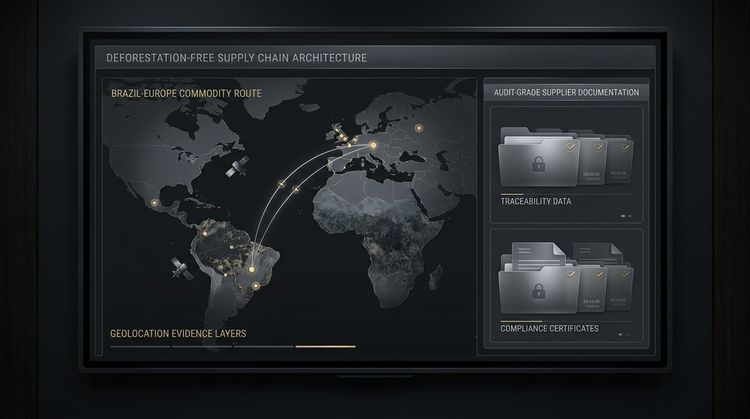
EUDR turns traceability into a commercial risk variable. Brazilian suppliers exposed to EU buyers need origin evidence, geolocation data and due diligence files that can survive procurement and audit pressure.
CBAM and Brazilian Exporters: Why Embedded Emissions Become Cash-Flow Risk
CBAM shifts carbon exposure from technical reporting to cash-flow risk. Brazilian exporters linked to EU buyers need defensible emissions data before procurement pressure becomes margin pressure.
CSDDD and Brazilian Suppliers: Why Evidence Becomes Board-Level Risk
CSDDD changes the economics of supplier selection. For Brazilian exporters, weak operational evidence can become a contract, margin and board-level risk.