The Financial Materiality Matrix: Quantifying Climate Risk on the Balance Sheet
The CSRD mandates the strict quantification of climate risk through double materiality. Discover how unmapped transition and physical risks destroy balance sheets, trigger asset write-downs, and how to shield your corporate valuation.
Fiduciary Duty in 2026: The Board of Directors' Liability Under the CSDDD
The 2026 CSDDD transposition transforms supply chain visibility into a strict fiduciary duty. Discover how unmapped supplier risks expose the Board of Directors to shareholder litigation and how to legally shield corporate governance.
Agricultural Asset Valuation: The Discount Applied to Properties with Deforestation Liabilities
The EUDR cut-off date has created a two-tier market for agricultural land. Discover how post-2020 deforestation triggers severe valuation discounts (deságio) in M&A transactions and how forensic audits protect foreign capital.
Legislative Conflicts (BR vs. EU): Managing Double Regulatory Exposure
Actions fully legal under Brazilian law can trigger immediate EU customs blockades and civil liability. Discover how conflicting legislation (like the Forest Code vs. EUDR) creates double regulatory exposure and how to shield your P&L.
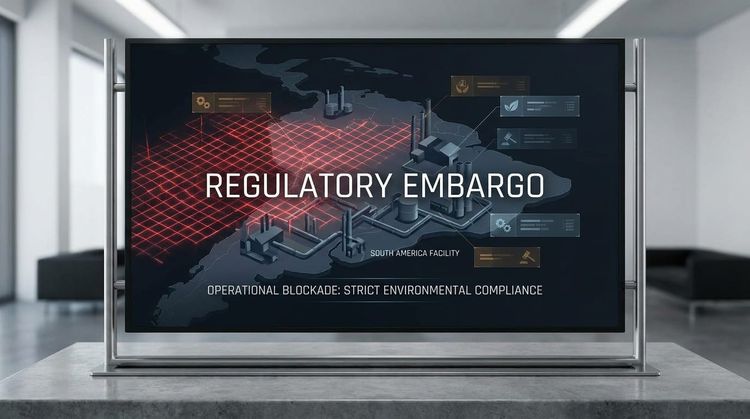
IBAMA Risk and Licensing: Preventing Operational Embargoes for Multinationals in Brazil
IBAMA holds the power to immediately paralyze Brazilian operations through embargoes. Discover how unverified local liabilities destroy FDI cash flows, trigger cross-border EU sanctions, and how forensic audits shield your P&L.
Foreign Direct Investment (FDI): Aligning Local Operations to the European Risk Matrix
Operating a Brazilian subsidiary solely under local laws exposes the European matrix to 5% global turnover fines under the CSDDD. Discover how to align local operations with the European risk matrix to protect FDI and global P&L.
Environmental Due Diligence in M&A: Auditing Hidden Liabilities in Brazilian Asset Acquisitions
FDI in Brazil carries extreme environmental liability risks. Discover how hidden infractions destroy M&A valuations, trigger IBAMA embargoes, and how forensic due diligence protects European capital from cross-border contamination.
ERP Integration and Customs Compliance: Preventing Cargo Retention at European Ports
European customs now rely on automated algorithmic risk assessments. Discover how the lack of ERP integration with EU compliance protocols triggers automatic cargo retention, catastrophic demurrage, and P&L erosion.
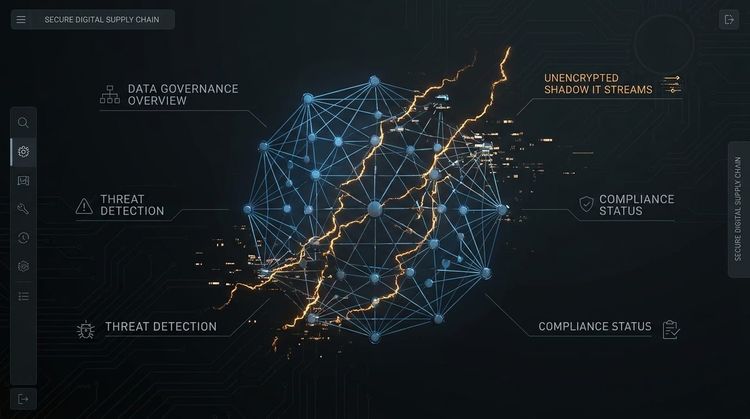
Shadow IT in the Supply Chain: The P&L Risk of Unauditable Data in European Compliance
European regulations demand immutable, machine-readable traceability. Discover how "Shadow IT" and fragmented data in your supply chain lead to failed European audits, contract terminations, and severe P&L impacts.
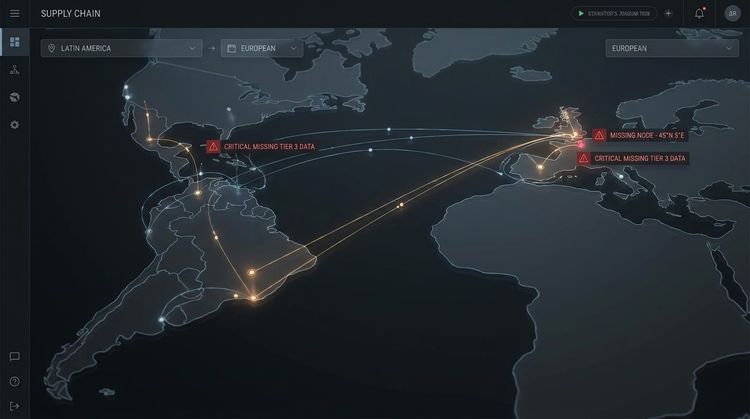
Tier 3 Traceability: How the Lack of Georeferenced Data Paralyzes Logistical Operations
European regulations now demand exact geolocation data for Tier 3 suppliers. Discover how missing georeferenced data triggers immediate customs retention, severe demurrage costs, and paralyzes cross-border logistical operations.